


22 October 2025
•3 minute read
Adhesions: When Organs Get Stuck After Surgery
Adhesions are a common but often misunderstood consequence of surgery. They occur when scar tissue forms bands that make organs or tissues stick together instead of moving smoothly as they should.
After any surgery, the body naturally produces scar tissue to heal. In most cases, this process is beneficial.
However, when the scar tissue grows excessively, it can cause nearby organs — such as the intestines or the abdominal wall — to become “glued” together. This sticking process is what surgeons and patients alike refer to as adhesions.
Why Do Some People Develop Them?
Not everyone who undergoes surgery will develop adhesions. Healing is highly individual, and some bodies are simply more prone to producing scar tissue than others.
Several factors increase the likelihood of adhesions forming. The type and location of the surgery plays a role, as do longer operations where tissues are exposed for extended periods.
Additional handling of tissue, complications such as bleeding or infection, and having had multiple surgeries in the same area can all raise the risk.
Surgeries Most Likely to Cause Adhesions
Certain surgeries are especially known for leading to adhesions. Abdominal and pelvic surgeries are at the top of this list.
Operations such as appendix removal, bowel surgery for conditions like cancer, obstruction, or Crohn’s disease, as well as gynecological procedures like hysterectomy or endometriosis treatment, are common culprits.
Even caesarean sections can lead to adhesions. The more complex the operation or the greater the number of surgeries performed, the higher the chances that adhesions will develop.
Symptoms And Complications

Adhesions are sometimes silent. In fact, many people live with them without ever knowing they exist. These are often only discovered incidentally when another surgery is carried out.
But when adhesions do produce symptoms, they can be troublesome. Patients may experience nagging abdominal pain, cramping, bloating, or changes in bowel habits.
In more severe cases, adhesions can cause serious complications. One of the most dangerous is bowel obstruction, which leads to severe pain, vomiting, bloating, constipation, and an inability to pass gas.
In women, adhesions involving the uterus, fallopian tubes, or ovaries can contribute to infertility. Chronic pelvic pain, especially after gynecological surgery, is another recognized outcome.
Harmless Or Dangerous?
The important point to understand is that adhesions are not always dangerous. For many patients, they remain harmless and never cause issues. But when they do interfere with organ function, they can become medical emergencies. A bowel obstruction caused by adhesions is one such example that requires urgent care.
Diagnosis Challenges
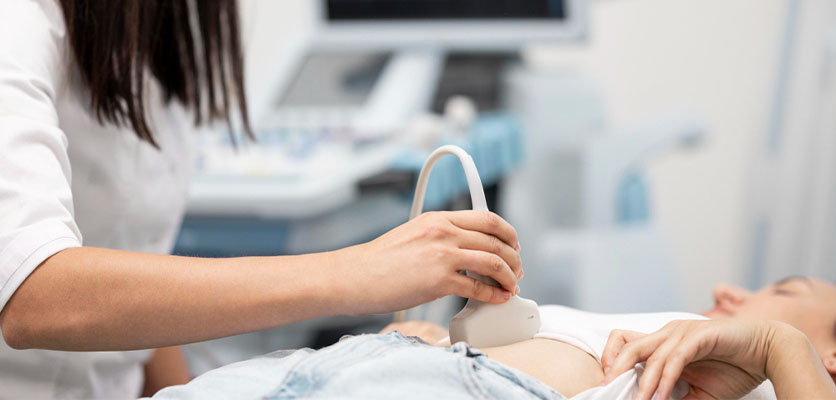
Diagnosing adhesions presents a challenge because they do not show up directly on common imaging tests such as X-rays, ultrasounds, or CT scans. Instead, doctors must rely on indirect signs and a careful clinical approach.
This usually involves taking a thorough medical and surgical history, assessing the patient’s symptoms, and ruling out other possible causes. In some cases, the only way to confirm the presence of adhesions is during another surgery.
Do Adhesions Always Need Treatment?
Treatment is not always necessary. For patients with no symptoms, no action is taken. If symptoms are mild, doctors may recommend pain relief, dietary changes, and ongoing monitoring.
Only when adhesions cause severe symptoms, such as bowel obstruction, is surgery considered. The operation to remove adhesions is called adhesiolysis, and in some instances it may even involve bowel resections if damage has occurred.
However, surgery carries a dilemma: while it may resolve immediate problems, it also risks creating new adhesions. This is why surgery is generally reserved for urgent or severe cases.
Can They Come Back?
Even when adhesions are removed, they can return. This is one of the frustrating realities of the condition. Doctors are aware of this risk, which is another reason they are cautious about recommending surgical intervention unless absolutely necessary.
Prevention Efforts During Surgery
So, can adhesions be prevented? Surgeons do their best to reduce the risk by using gentle techniques and handling tissues carefully during operations. Preventing complications like infection and bleeding is also important.
In some cases, special barrier gels or films are applied to keep organs separated while healing. Despite these efforts, there is no guaranteed method to prevent adhesions completely.
Advice for Patients
For patients, the key is awareness rather than panic. Adhesions are very common after surgery, and most never cause problems. But it is wise to be alert to warning signs.
Persistent pain, bloating, or changes in bowel movements should be discussed with a doctor. More urgently, if a person experiences sudden severe pain, vomiting, or an inability to pass stool or gas, they should seek emergency care immediately.
Key Takeaway
In summary, adhesions are a frequent but often harmless result of surgery. They are the body’s way of healing, though sometimes healing overshoots its purpose and creates new problems.
Most people with adhesions will never be troubled by them. But in a minority of cases, they can cause significant complications such as bowel obstruction or infertility.
By understanding the risks, recognising symptoms, and maintaining open communication with their health care providers, patients can navigate the challenges of adhesions with greater confidence.
The takeaway is clear: adhesions are part of the body’s healing process. They usually remain unnoticed, but when they do cause issues, timely medical attention is crucial.
Patients should not live in fear of them, but they should stay informed and proactive about their health.
Dr Kelvin Prem is a consultant general and laparoscopic surgeon at Columbia Asia Hospital Batu Kawan.
This article first appeared in Ova, 22 Oktober 2025.
Share:
Was this article helpful?
22 October 2025
•3 minute read
Adhesions: When Organs Get Stuck After Surgery
Learn more about General Surgery in Columbia Asia
Learn MoreShare:
Was this article helpful?
Health Packages
Elevate your health with tailored health packages at Columbia Asia Hospital. Take charge of your health journey today.
Columbia Asia 30th Anniversary Promotion “Senior Health”
From
RM688
Pink October 2025
From
RM80
HLA Policyholders Promo: Influenza Vaccination
RM65
Find Out MorePink October 2024
From
RM80