


With the rainy season, many people start feeling unwell — and worry it might be dengue. Here are some clear, evidence-based answers to common questions I often get from my patients in clinic.
Are You Seeing More Fever Cases During the Rainy Season?
Yes, absolutely. When it rains, water collects in containers, drains, or flower pots — perfect for Aedes mosquitoes to breed. This increases dengue cases. But remember, not every fever is dengue. It’s best to get checked early and avoid self-medicating. A simple blood test can tell the difference.
How Many of These Fevers Turn Out to Be Dengue?
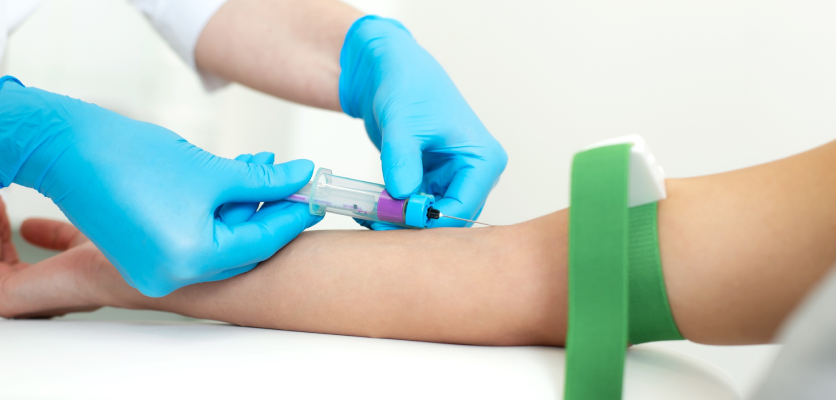
During peak months, a good number of fever cases do turn out to be dengue. Because dengue symptoms can look like flu or viral fever, doctors confirm it through an NS1 antigen or antibody blood test. Testing early helps prevent complications and protects your family too.
Hat Are the Earliest Signs That Might Actually Be Dengue?
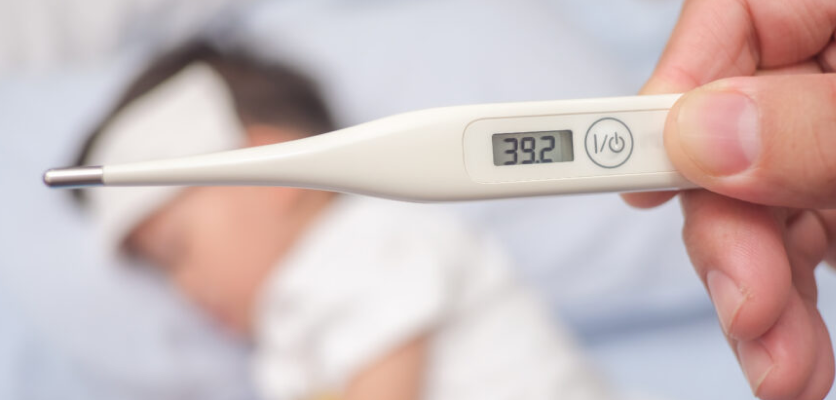
Typical early signs appear three to seven days after a mosquito bite. Sudden high fever, bad headache, pain behind the eyes, body ache, loss of appetite, and sometimes a mild rash. If you have these symptoms for more than two days, see a doctor — don’t just wait it out.
Which Symptoms Should One Never Ignore?
Warning signs that need urgent medical care include vomiting, tummy pain, bleeding gums, blood in stool or urine, dizziness, or unusual sleepiness. These can signal internal bleeding or dehydration. Seek help immediately if these appear — especially after your fever starts to go down.
How Can Patients Tell When Things Are Getting Serious?
Dengue often becomes dangerous when the fever begins to drop — not when it’s high. If you start feeling weaker, vomiting, or having tummy pain after the fever lowers, it may be the “critical phase.” Go for a check-up immediately; early fluids and monitoring can save lives.

Are There Any Myths About Dengue That Delay Treatment?
Yes, several! Papaya leaf juice is not a proven cure. Dengue can happen even in clean homes — Aedes mosquitoes love clean water. And don’t assume you’re fine when the fever drops. That’s actually when dengue can worsen. The safest step is always to get a medical review and test.
What’s the First Thing Doctors Check When Suspecting Dengue?
We look for the overall pattern — fever, body pain, rash, and signs of dehydration. Then we run tests like the NS1 antigen and full blood count to check platelets and hematocrit levels. This helps us decide if you can recover at home or need hospital monitoring.
How Do Doctors Tell Mild Dengue from Severe Dengue?
Mild dengue causes fever, pain, and tiredness but no bleeding. Severe dengue shows warning signs like vomiting, stomach pain, bleeding, or restlessness. Lab results will show falling platelets and rising hematocrit. Mild cases need rest and fluids, severe ones need hospital care and close observation.
What Helps Most When Dengue Is Caught Early?
Early testing makes all the difference. Doctors can monitor your blood counts, keep you well-hydrated, and prevent dehydration or bleeding. Avoid painkillers like ibuprofen or aspirin — they can worsen bleeding. Paracetamol is safe for fever. Early medical care greatly lowers the risk of severe dengue.

What Happens If People Wait Too Long to Get Tested?
Delaying testing can be dangerous. You may look “better” but actually be entering the critical stage when bleeding or shock can develop quickly. Early testing helps doctors manage fluids and prevent severe complications. Don’t wait — if your fever lasts over two days, get tested.
Are There Any New Improvements in Dengue Management?
Yes. Today, doctors use early NS1 tests and focus on precise fluid management — avoiding both dehydration and overhydration. Monitoring blood counts daily helps catch problems early. Vaccines like Qdenga are being use in Malaysia, but prevention and early care remain the best protection.
What Everyday Habits Help Recovery from Dengue?
Drink plenty of fluids — water, soup, or oral rehydration drinks. Eat light but nutritious meals even if you have no appetite. Rest well and avoid physical strain. Only take paracetamol for fever. Most people recover fully within 1–2 weeks, but fatigue may last a bit longer.

How Can We Prevent Dengue During the Rainy Season?
Prevention starts at home. Empty and scrub containers that hold water every week, cover water tanks, clean roof gutters, and use mosquito repellents. Wear long sleeves and keep your surroundings tidy. Remember — Aedes mosquitoes breed in clean, stagnant water, not dirty drains!
Final Takeaway
Dengue is preventable and treatable — if caught early. Pay attention to your body, stay hydrated, and act fast when fever strikes. Most importantly, protect your home environment. One household’s effort can save an entire community.

This article first appeared in Rise Malaysia, 7 January 2026
Share:
Was this article helpful?
Share:
Was this article helpful?
Health Packages
Elevate your health with tailored health packages at Columbia Asia Hospital. Take charge of your health journey today.
AIA Policyholders Self-pay Benefits
Pink October 2025
From
RM80
Columbia Asia 30th Anniversary Promotion “Senior Health”
From
RM688
Pink October 2024
From
RM80
HLA Policyholders Promo: Influenza Vaccination
RM65
Find Out More