


When most of us think of blindness, we tend to think of it as sudden: one wakes up in the morning and cannot see. In fact, the vast majority of vision loss is gradual, painless and quiet. By the time many realize they are “going blind slowly,” it may be too late.
The Quiet Nature of Vision Loss
Some eye diseases progress stealthily, as they involve parts of the eye that do not cause pain or redness. For example, the retina and optic nerve can suffer severe damage without any external signs. The brain adapts to changes in the quality of images seen, unconsciously accommodating to worse vision. That is why regular eye checkups are so important, especially for adults over 40, when many “silent” eye diseases begin to appear.
Early Signs We Often Overlook
Early vision changes are too often ignored. Dim or blurry vision is passed off as “tired eyes” or “aging.” Difficulty reading in dim light or seeing at night is also overlooked, with people failing to recognize that these may be early warning signs of irreversible eye diseases. Sometimes symptoms other than those directly affecting the eyes, such as frequent headaches, dizziness, or imbalance, can indicate strain to the vision.

Common Diseases That Steal Sight Silently
Several common conditions are responsible for progressive, painless vision loss. Glaucoma, often referred to as the “silent thief of sight,” is a condition that causes damage to the optic nerve due to elevated eye pressure. The loss of peripheral vision begins and extends towards the center; once central vision is affected, that loss is irreversible. Diabetic retinopathy is another significant cause in which high blood sugar levels damage the retina’s blood vessels. Early on, vision may appear normal, but small leaks and tiny bleeds begin to blur the sight.
Age-related macular degeneration is another culprit affecting the central retina, responsible for sharp vision. It often starts with slight distortion or mild central blurring but without treatment it can cause serious central vision loss. Cataract is a slow clouding of the lens, causing hazy, dull vision and glare. However, it is easily treatable with surgery but many delay treatment until their vision has become severely reduced. Hypertensive retinopathy, due to high blood pressure, also causes damage to retinal blood vessels, often before the patients are aware that they already have hypertension.
And in Malaysia, these silent changes are reflected in population data. According to the National Eye Survey conducted in 2014, the leading causes of blindness among the population aged 50 years and above were untreated cataract (58.6%), diabetic retinopathy (10.4%) and glaucoma (6.6%). More recently, in a 2024 publication based on the 2023 survey, the prevalence of blindness among older adults in certain Malaysian regions has decreased but remains significant. In the Eastern region, the prevalence of blindness dropped from 1.4 % to 0.8 %, and in Sarawak from 1.6 % to 0.6 %. In a Kuala Lumpur outpatient study, cataract was the most common diagnosis (21.3%), followed by glaucoma (12.3%) and diabetic retinopathy (8.4%).
When and How Often to Get Checked
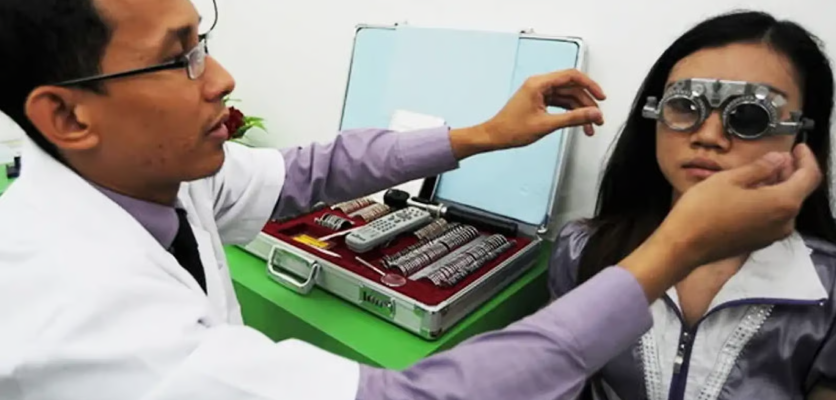
Asymptomatic adults should receive eye examination every two years after the age of 40 and annually after 60. Those with diabetes, high blood pressure, or a family history of glaucoma should have a comprehensive eye check at least once a year. It should include vision tests, eye pressure measurement and examination of the retina and optic nerve. Advanced tests such as optical coherence tomography and visual field analysis may detect early damage well before symptoms manifest.
Seek immediate medical care if you experience sudden blurred vision, flashes of light, seeing dark spots, distorted lines, loss of peripheral vision or eye pain with a vision change. Even brief or one-sided symptoms can be signs of serious eye or brain conditions that need urgent attention.
Habits That Protect Your Vision
Lifestyle also plays a major part in protecting your vision: smoking, poor diet and lack of exercise all increase the risk of vision loss. A diet rich in leafy greens, fruits, fish, and nuts supports eye health, while regular exercise helps control blood sugar and blood pressure. Wearing UV-protective sunglasses outdoors also guards against long-term damage from sunlight.

A Final Reminder
You don’t have to wait until something feels wrong to take care of your eyes. Many who “feel fine” are already losing vision slowly and silently. Although Malaysia’s blindness rate is improving, much of it is still preventable. A simple, painless eye examination could make the difference between saving and losing your sight. Protect your vision because once it’s gone, it may never return.
This article first appeared in Free Malaysia Today, 4 January 2026.
Share:
Was this article helpful?
Share:
Was this article helpful?
Health Packages
Elevate your health with tailored health packages at Columbia Asia Hospital. Take charge of your health journey today.
AIA Policyholders Self-pay Benefits
Columbia Asia 30th Anniversary Promotion “Senior Health”
From
RM688
Pink October 2025
From
RM80
HLA Policyholders Promo: Influenza Vaccination
RM65
Find Out MorePink October 2024
From
RM80