


04 March 2026
•3 minute read
Life After Cervical Cancer: A Journey of Healing and Hope
Emerging from the storm of cervical cancer treatment is a powerful triumph, but life after cancer comes with new questions, hopes, and challenges. Many women wonder what lies ahead: How long will follow-up care last? Will life return to normal? What about fertility, intimacy, or the fear of cancer returning? This article offers guidance on what to expect after cervical cancer treatment and how to embrace recovery with confidence and clarity.
What Happens After Treatment?
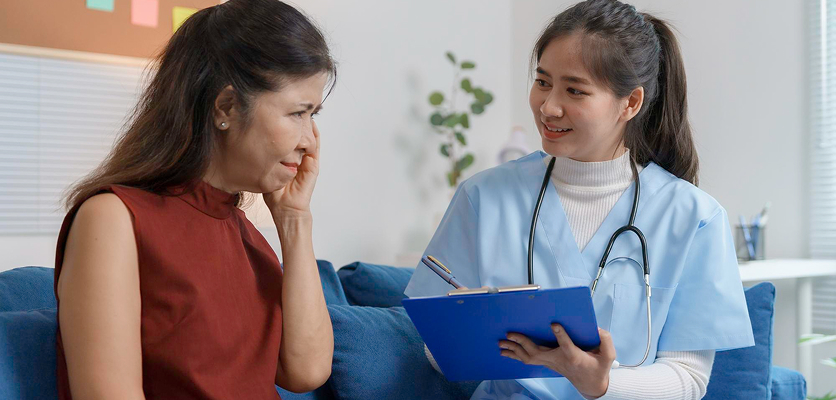
Once treatment—whether surgery, radiotherapy, chemotherapy, or a combination—is completed, survivors enter a crucial phase called surveillance. This structured follow-up program monitors recovery, detects recurrence early, and supports long-term health. For the first two years, visits typically occur every three to four months, then every six months from years three to five, and annually after five years if no recurrence is found. These visits may include pelvic exams, Pap smears, HPV tests, imaging such as CT, MRI, or PET scans, and relevant blood tests. Many women feel anxious while waiting for results, and this is normal; psychological support during this period can be valuable.
Returning to ‘Normal’ Life
Returning to a fulfilling, active life after cervical cancer is possible, but recovery involves both physical healing and emotional adjustment. Physical recovery varies; after surgery, healing may take four to eight weeks, longer if a radical hysterectomy or lymph node removal was performed, while after chemoradiation, fatigue, bowel and bladder changes, and vaginal dryness may persist for several months.
Emotionally, survivors may experience anxiety, depression, or a changed sense of identity. Some feel guilty for surviving, others overwhelmed by fear of recurrence. It is important to acknowledge these feelings and seek support from oncology counselors or survivor groups. Work may resume gradually, social and family roles may shift, and body image and intimacy often require time and open communication to rebuild.
Fertility and Sexual Health
Fertility is one of the most sensitive topics after treatment. Whether pregnancy is possible depends on the treatment type. Fertility-sparing surgeries such as radical trachelectomy may preserve the uterus, while radiotherapy or radical hysterectomy generally result in infertility. Early fertility counseling is crucial for women of reproductive age, with options such as egg or embryo freezing before treatment. Even when fertility is lost, alternatives like surrogacy or adoption can provide a path to parenthood. Sexual health can also change due to vaginal dryness, tightness, pain after radiotherapy, reduced libido from hormonal or emotional factors, and body image concerns. Management may involve vaginal dilators, lubricants, estrogen creams, pelvic physiotherapy, honest communication with partners, and guidance from gynecologists or sexual health counselors.
Managing Side Effects
Some women experience lingering side effects such as fatigue, urinary or bowel dysfunction, lymphedema of the legs due to lymph node removal, or vaginal stenosis. These can be managed through gradual physical activity, pelvic floor therapy, regular vaginal care and stretching exercises, and, in the case of lymphedema, compression stockings and massage. Menopausal symptoms are common, particularly for women whose ovaries were removed or who underwent pelvic radiotherapy. Sudden menopause can cause hot flushes, night sweats, vaginal dryness, mood swings, sleep disturbances, and low libido. While hormone replacement therapy may not be suitable for all, non-hormonal options such as certain antidepressants, vaginal moisturizers, lubricants, acupuncture, and lifestyle changes can provide relief. Open discussions with healthcare providers are essential to finding safe, personalized strategies, and with proper support, many women adapt well to this new phase of life.
Emotional and Psychological Changes
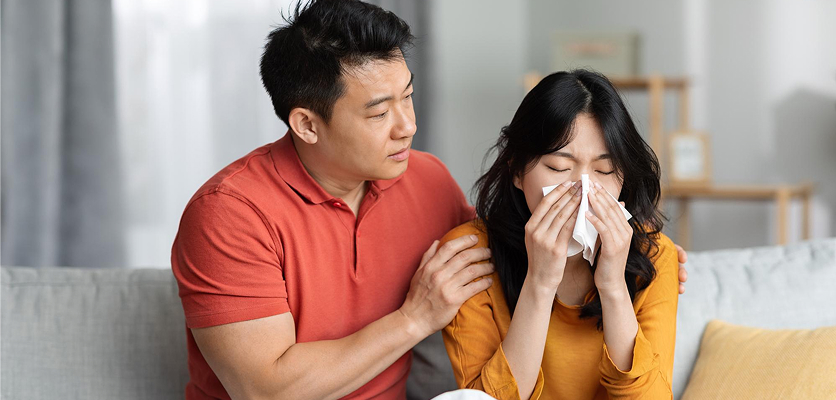
The emotional aftermath is often one of the most overlooked aspects of recovery. Fear of recurrence, survivor’s guilt, strained relationships, and diminished self-esteem are common experiences. Anxiety tends to spike before follow-up appointments, and many find comfort in speaking to cancer counselors or joining support groups. As one survivor expressed, “The hardest part wasn’t the chemo. It was waking up every day wondering if the cancer would come back.” Empathy, therapy, and a strong support network can ease this burden.
The Role of Nutrition and Exercise

Lifestyle choices play a significant role in recovery and long-term health. A balanced diet rich in vegetables, fruits, lean proteins, and whole grains, combined with limiting processed foods and red meat, supports well-being. Regular exercise—such as 150 minutes of moderate activity per week—can boost energy, while quitting smoking reduces the risk of cervical and other cancers. Stress management through mindfulness, yoga, hobbies, or spiritual practices enhances both mental and physical resilience. Though no lifestyle can guarantee prevention of recurrence, healthy habits strengthen immunity, improve energy levels, and sharpen mental clarity.
Red Flags!
Awareness of warning signs is also important, as most recurrences occur within two to three years of treatment. Knowing the signs can lead to earlier intervention.
New or persistent pelvic pain, unusual vaginal bleeding or discharge, leg swelling on one side, changes in bowel or bladder habits, and unexplained weight loss or fatigue warrant prompt medical evaluation. Trusting one’s instincts and seeking medical attention early can make a difference.
The Power of Family and Partner Support
Recovery isn’t a solo journey. Support from spouses, children, friends, or caregivers often plays a vital role in a woman’s healing. But cancer can also strain relationships—especially when intimacy, mood, or roles change.
One survivor shared, “It was my husband holding my hand during every follow-up that gave me strength. Even when I lost my confidence, he reminded me that I was still whole.” Involving loved ones, having open conversations, and even attending counseling together can foster understanding and resilience.
Returning to Work and Financial Concerns
For many women, reintegration into work life brings mixed emotions. Some feel ready, others worry about exhaustion, memory lapses, or pressure to “be normal” again.
Fatigue may persist for months. Be kind to yourself—recovery doesn’t follow a clock. Speak to your employer about gradual returns or modified tasks. Financial strain is also real. Many survivors struggle with long-term medical expenses or loss of income. Advocating for better cancer care coverage is vital for survivor well-being.
Finding Meaning and Growth After Cancer
Beyond survival, many women find new meaning. Some become advocates, mentors, or volunteers. Others re-evaluate what truly matters—family, time, purpose. A patient once told me, “Cancer didn’t just teach me about my body. It taught me what no longer deserves my energy.” This post-traumatic growth is real—and empowering. Survivors often emerge stronger, more grounded, and more purposeful than before.
Prevention Matters: The Power of Screening and Vaccination
Regular cervical cancer screening—through Pap smears and HPV testing—remains the most powerful tool we have in preventing or catching cancer early. When detected early, treatment is simpler, less invasive, and far more successful.
Equally important is the HPV vaccine, which protects against the viruses most commonly linked to cervical cancer. Many survivors become passionate advocates for screening and vaccination—not just for themselves, but for their daughters, sisters, and communities.
A Message to Women Currently in Treatment
If you’re still in the midst of treatment, know this: There is life after cancer. It may not be the same life you had before—but it can still be beautiful, meaningful, and strong.
I once treated a woman in her late 30s with stage IIB cervical cancer. She underwent chemoradiation, lost her fertility, and feared she’d never find happiness again. A year later, she came into clinic radiant. She had become a cancer advocate, adopted a child, and was training to run a half-marathon. Her cancer didn’t define her. Her resilience did.
In Summary
Life after cervical cancer isn’t about “going back to normal.” It’s about embracing a new normal—one that honors your strength, your healing, and your hope. With the right care, support, and mindset, survivors can thrive beyond cancer.
This article first appeared in New Straits Times, 04 March 2026
Share:
Was this article helpful?
04 March 2026
•3 minute read
Life After Cervical Cancer: A Journey of Healing and Hope
Learn more about Obstetrics And Gynecology, Gynae Oncology in Columbia Asia
Learn MoreShare:
Was this article helpful?
Health Packages
Elevate your health with tailored health packages at Columbia Asia Hospital. Take charge of your health journey today.
Pink October 2024
From
RM80
AIA Policyholders Self-pay Benefits
Columbia Asia 30th Anniversary Promotion “Senior Health”
From
RM688
HLA Policyholders Promo: Influenza Vaccination
RM65
Find Out MorePink October 2025
From
RM80