


The New Year brings renewed motivation, clearer intentions, and an opportunity for a mental and physical reset. Instead of aiming for perfection, try to focus on gradually rebuilding a realistic, flexible, and sustainable exercise routine.
Observe how quickly you become breathless when walking briskly or climbing stairs, assess how many push-ups or squats you can perform with good technique, and notice your flexibility during everyday movements such as bending or reaching.
These simple observations help guide a sensible starting point without unnecessary complexity.
The Beginners’ Trap
One of the most common mistakes when returning to exercise is jumping straight into high-intensity workouts, heavy lifting, or exercising every day. This approach often leads to excessive muscle soreness, fatigue, or injury, which quickly undermines motivation.
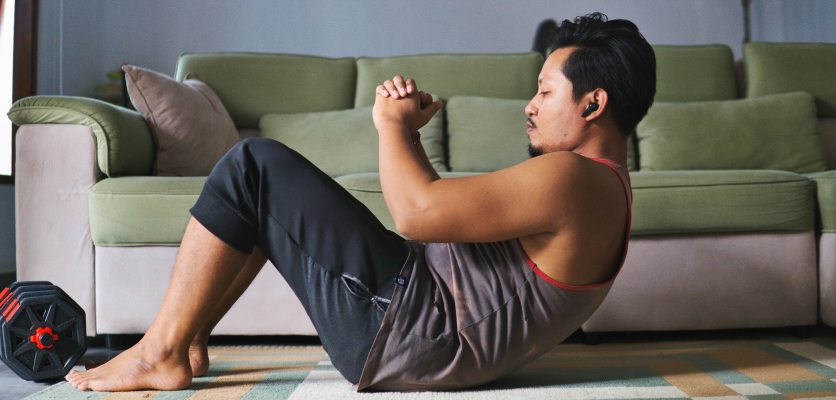
A safe beginner routine should prioritize simplicity, regularity, and gradual progression. Starting with 20 to 30 minutes of activity, three to four times per week, is usually sufficient. A balanced session might include light cardiovascular exercise such as brisk walking or cycling, combined with basic bodyweight movements like squats, wall push-ups, and gentle core exercises. Rest days are equally important, giving the body time to recover and adapt.
Don’t Overdo It
Beginners generally do best exercising at a moderate level. You should feel your heart rate increase and break a light sweat, but not reach the point of complete exhaustion. Being able to speak in short sentences during exercise is a useful guide. Mild muscle soreness is normal in the early stages, but feeling completely drained is not.
It is equally important to recognize signs of overtraining. Ongoing fatigue that does not improve with rest, muscle soreness lasting several days, declining performance, sleep disturbances, or persistent irritability can all indicate excessive training. Frequent minor injuries, an unusually high resting heart rate, or feeling exhausted during easy sessions are additional warning signs.
Your No-Fuss Starter Workout
A walk-and-bodyweight routine is an excellent starting point. Begin with a five-minute walk to warm up, followed by 10 to 15 minutes of brisk walking at a pace that feels challenging yet manageable. This can be followed by a short bodyweight circuit, such as eight to ten squats, eight wall or knee push-ups, and a 20-second plank, repeated once or twice. Finish with a slower walk and light stretching.
An effective warm-up should include five to ten minutes of light movement to gradually raise heart rate, followed by dynamic stretches that resemble the planned activity. Cooling down involves slowing the pace to allow the heart rate to return to baseline, then performing gentle static stretches and relaxed breathing to support recovery and reduce stiffness.
Incorporating simple equipment into your workout such as resistance bands or light dumbbells can be highly effective for beginners. They are affordable, versatile, and joint-friendly, allowing controlled movement while building strength and stability with minimal injury risk.

Showing Up Counts
In the first few weeks, the most realistic goal is consistency rather than dramatic results. Exercising two to four times per week, completing sessions comfortably, learning correct technique, and finishing workouts feeling energized are meaningful early successes. At this stage, habit formation, self-awareness, and injury prevention matter more than performance metrics.
Motivation is easier to maintain when exercise feels manageable and enjoyable. Choosing preferred activities, setting small achievable goals, and acknowledging simple wins can help sustain momentum. Since motivation naturally fluctuates, building a routine matters more than waiting to feel inspired.
Tracking progress does not need to be complicated. A simple log noting the activity, duration, and how it felt is often enough. Small improvements such as easier breathing, better movement quality, or quicker recovery are valuable indicators of progress.
Know When to Stop
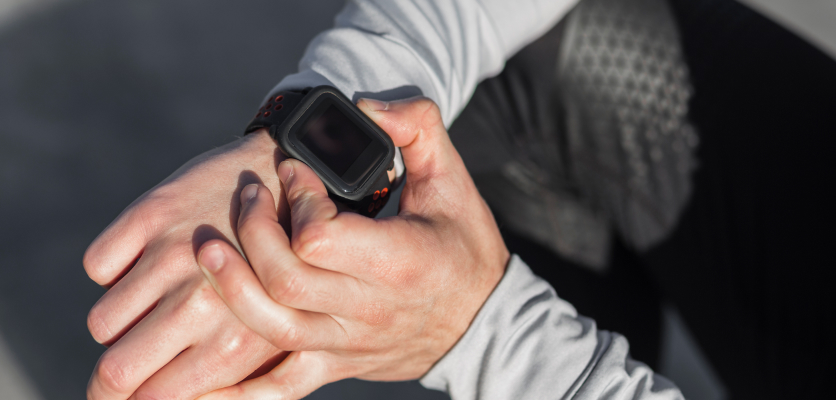
Keep in mind that there are still symptoms that warrant immediate medical attention. Chest pain, tightness, unusual shortness of breath, dizziness, fainting, or irregular heartbeats during exercise should never be ignored. Ongoing joint or muscle pain, unresolved swelling, worsening symptoms with activity, or exercise affecting sleep and daily function are also reasons to seek assessment from a sports physician.
Remember: small steps, smart moves and showing up count more than fancy workouts. Here’s to a strong, safe start to your year!

This article first appeared in PP Health Malaysia, 26 May 2026
Share:
Was this article helpful?
Share:
Was this article helpful?
Health Packages
Elevate your health with tailored health packages at Columbia Asia Hospital. Take charge of your health journey today.
Pink October 2025
From
RM80
HLA Policyholders Promo: Influenza Vaccination
RM65
Find Out MoreColumbia Asia 30th Anniversary Promotion “Senior Health”
From
RM688
Pink October 2024
From
RM80