


15 January 2026
•4 minute read
Alleviating Severe Migraine in Emergency Setting
A severe, throbbing headache that distorts vision, heightens sensitivity to sound, and disrupts daily life, this is the reality for many migraine sufferers. In Malaysia, migraines affect nine to 12 percent of the population, and for some, the pain becomes so intense that a visit to the emergency department (ED) becomes necessary.
But what actually happens when someone seeks emergency care for a migraine? How do doctors distinguish it from more critical conditions like stroke or brain hemorrhage? And what treatments can provide relief? First, let’s take a look at the basics, then delve into a migraine scenario at the emergency department and what follows suit. Knowing what to expect can put your mind to rest; something every migraine patient needs!
Stages of a Migraine
Migraines typically go through four phases/stages, although not everyone experiences all of them:
- Prodrome (Pre-headache)
This early warning stage can occur one to two days before the migraine. Symptoms include mood changes (such as irritability, depression or euphoria), food cravings, neck stiffness, increased urination, yawning, fatigue or hyperactivity and difficulty focusing. Recognizing these signs can help patients take early steps to prevent a full-blown attack. - Aura
Occurring about five to 60 minutes before or during the headache, the aura stage involves sensory disturbances such as visual flashes or heightened sound sensitivity. The symptoms in this stage are visual disturbances (like flashing lights, zigzag lines, or blind spots), sensory changes (numbness or tingling, especially in the face or hands), difficulty speaking or understanding speech (dysphasia), and in rare cases, muscle weakness (as in hemiplegic migraine where symptoms occur on one side of the body). Aura symptoms are reversible and typically develop gradually. - Attack
This is the most painful stage where the unilateral head pain and aversion to light and sound can last for four to 72 hours. The migraine attack phase is characterised by moderate to severe throbbing or pulsating pain (usually on one side), worsens with physical activity, nausea and/or vomiting and sensitivity to light and sound. Many patients come to the ED during this phase. - Postdrome (Recovery)
This follows the attack and lingers up to one to two days. Patient will experience fatigue or exhaustion, confusion or difficulty concentrating (migraine “hangover”), mood changes, muscle weakness or pain.
Ruling Out Other Conditions (Differential Diagnosis)
Not all headaches are migraines. Some serious medical conditions can mimic migraine symptoms. Doctors must consider other possibilities such as:
- Tension headaches or cluster headaches
- Brain infections (like meningitis) or bleeding (such as subarachnoid hemorrhage)
- Brain tumors, high brain pressure (idiopathic intracranial hypertension)
- Glaucoma, sinus infections, and nerve-related pain (like trigeminal neuralgia)
Because some of these conditions can be life-threatening, it’s important to get a proper diagnosis, especially if symptoms are severe or unusual.

Initial Assessment at the Emergency Department
When a patient comes to the ED with a headache, doctors must determine whether it’s a migraine or something more serious.
A detailed medical history is key. Doctors will ask about how long the headache has lasted, how severe it is, how often it happens, and if the patient has had similar headaches before. Migraine headaches are often throbbing, one-sided, and worsen with routine physical activity.
Common associated symptoms include nausea, sensitivity to light and sound, and sometimes sensory disturbances in the aura stage.
Doctors also check for “red flags”, signs that the headache may be due to a more dangerous condition. These can be remembered using the SNOOP checklist:
- Systemic symptoms (fever, weight loss) or conditions (cancer, low immunity)
- Neurological symptoms (confusion, weakness, loss of coordination)
- Onset that is sudden or feels like a “thunderclap”
- Older age at first occurrence (>50 years)
- Previous headaches that have recently changed in pattern or severity
If any of these red flags are present, further investigations are warranted to rule out other conditions.
Treatment in the Emergency Department
Once a migraine diagnosis is confirmed, treatment in the Emergency Department focuses on relieving moderate to severe migraine attacks and associated symptoms such as nausea and vomiting. If there are no concerning signs, or “red flags,” imaging tests like CT scans or MRIs are typically not needed. The first line of treatment usually includes medications such as nonsteroidal anti-inflammatory drugs (NSAIDs), and medications which are specifically used for migraines and to control nausea.
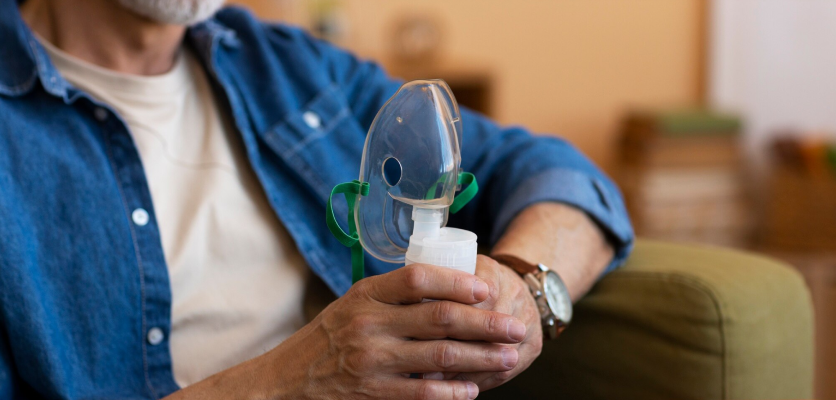
In addition to medications, supportive care plays an important role in patient comfort and recovery. This includes intravenous (IV) fluids to rehydrate patients who may have been vomiting or unable to eat or drink, as well as placing the patient in a dark, quiet room to minimize sensitivity to light and sound. In certain types of migraines, such as those with aura or cluster headache features, oxygen therapy may also be beneficial and is typically given through a face mask at high flow rates.
If the initial treatment does not relieve symptoms, second-line therapies may be considered which include IV medications. In more severe cases, hospital admission may be required, particularly if the migraine does not respond to treatment, if there are strong suspicions of a more serious underlying condition, or if the patient shows neurological symptoms or altered consciousness.
Conclusion
Effective migraine management in Malaysian emergency departments relies on prompt recognition, exclusion of life-threatening causes, and appropriate treatment. Local adaptation of international guidelines, continued medical education, and improved patient awareness are essential to improving outcomes. Establishing standardised protocols across Malaysian EDs will ensure consistent, evidence-based care for patients with migraine.
References
- Malaysian Clinical Practice Guidelines: Management of Headache (MOH Malaysia)
- International Headache Society (IHS) Guidelines
- Silberstein SD, et al. Evidence-based guideline update: pharmacologic treatment of migraine headache. Neurology.
- National Institute for Health and Care Excellence (NICE) CG150: Headaches in over 12s
This article first appeared in New Straits Times, 15 January 2026.
Share:
Was this article helpful?
15 January 2026
•4 minute read
Alleviating Severe Migraine in Emergency Setting
Learn more about Emergency Medicine in Columbia Asia
Learn MoreShare:
Was this article helpful?
Health Packages
Elevate your health with tailored health packages at Columbia Asia Hospital. Take charge of your health journey today.
Pink October 2024
From
RM80
Columbia Asia 30th Anniversary Promotion “Senior Health”
From
RM688
Pink October 2025
From
RM80
AIA Policyholders Self-pay Benefits
HLA Policyholders Promo: Influenza Vaccination
RM65
Find Out More