


Strokes are increasingly striking younger adults, and early warning signs can be easy to miss. From sudden numbness in a limb to dizziness or confusion, recognising the symptoms quickly can be life-saving. To help give further insight, Dr Khoo Ching Soong, Consultant Internal Medicine Physician & Neurologist at Columbia Asia Hospital Puchong shares what a stroke feels like and why fast action matters.
One practical way to remember the symptoms of an acute stroke is the acronym BEFAST:
B – Balance: Sudden loss of balance
E – Eyes: Vision loss or double vision
F – Face: Uneven or drooping smile
A – Arm: Weakness in one arm
S – Speech: Slurred or strange speec
T – Time: Call an ambulance immediately
Dr Khoo adds that confusion or dizziness can also appear at the start. These symptoms are easy to dismiss as fatigue or stress, but if they come on suddenly, it’s crucial to take them seriously.
How a Stroke Feels
A common misconception is that strokes always cause headaches. In reality, most are painless, which makes them particularly dangerous.
Strokes almost always strike without warning. One moment you feel fine; the next, your speech falters, or one side of your face droops as blood flow to the brain is suddenly blocked. If left untreated, symptoms can escalate quickly, but seeking medical help immediately greatly improves the chances of recovery.
Numbness during a stroke can feel like tingling or a complete loss of sensation, often in one arm, leg, or on one side of the face — as if the limb no longer belongs to you.
Confusion can affect memory, thinking, and concentration, making it difficult to form words or remember recent actions. Dizziness, caused by issues in the hindbrain, often comes with nausea, poor balance, loss of coordination, and blurred vision.
While the symptoms are generally the same for younger and older adults, the causes can differ. In people in their 30s and 40s, lifestyle factors such as stress, smoking, poor diet, and lack of exercise are often key contributors.
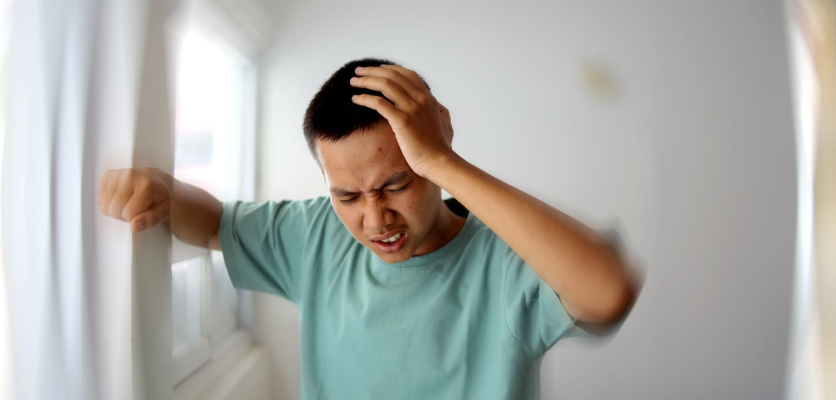
Painless but Dangerous
Because most strokes are painless, many people delay seeking help. The main exception is a haemorrhagic stroke, which produces a sudden, severe headache caused by bleeding in the brain. This type of stroke is often accompanied by nausea, vomiting, or neck stiffness and requires urgent medical attention.
Life After a Stroke
Recovery can be challenging. Affected limbs may feel heavier, slower, or remain numb. Some survivors regain strength over time, while others continue to struggle with coordination. Emotionally, many experience anxiety, frustration, or fear. According to Dr Khoo, strong family support can make a significant difference in both physical and emotional recovery.

When to Seek Help
It’s crucial to seek help immediately if you suddenly feel off balance, weak, or confused. Even mild or short-lived symptoms, such as those from a “mini stroke” or transient ischaemic attack (TIA), should never be ignored. These warning signs can indicate that a more serious stroke is imminent.
Rehabilitation plays a key role in recovery. Physical, speech, and occupational therapy help survivors regain independence. Dr Khoo also emphasises discussing emotions with doctors, family, or support groups. Recovery is rarely linear, but each small step forward counts.
A stroke can strike without warning, but awareness can save lives. Recognising the signs early and acting quickly — whether for yourself or a loved one — can make all the difference.
This article first appeared in BusinessToday, 16 Jan 2026
Share:
Was this article helpful?
Share:
Was this article helpful?
Health Packages
Elevate your health with tailored health packages at Columbia Asia Hospital. Take charge of your health journey today.
Pink October 2025
From
RM80
AIA Policyholders Self-pay Benefits
Columbia Asia 30th Anniversary Promotion “Senior Health”
From
RM688
HLA Policyholders Promo: Influenza Vaccination
RM65
Find Out MorePink October 2024
From
RM80