


31 July 2026
•9 minute read
Heart Screenings: When Should You See a Cardiologist?
Heart screenings can help check your heart health and detect early signs of heart disease. Many heart conditions can develop silently over time, especially when risk factors such as high blood pressure, high cholesterol, diabetes, smoking, obesity, stress, or family history are present.
You do not need to wait until you have chest pains to check your heart. A heart screening can help identify potential risks earlier, while a cardiologist can assess symptoms, recommend suitable tests, and guide you on the right treatment or follow-up care.
At Columbia Asia hospitals in Malaysia, cardiology services and cardiac screenings are available to support patients who want to understand, monitor, and manage their heart health.
What is a Heart Screening?
A heart screening is a medical check-up that focuses on your heart and cardiovascular health. It helps assess your risk of heart disease and may detect early signs of heart-related problems before they become more serious.
A heart screening may include a doctor consultation, physical examination, blood pressure check, cholesterol test, blood sugar test, ECG, echocardiogram, stress test, or other cardiac assessments depending on your symptoms and risk factors.
The goal of heart screening is to help you understand your heart health and take early action if there are warning signs or risk factors.
Why is a Heart Screening Important?
A heart screening is important because heart disease does not always come with obvious symptoms in the early stages. Some people may feel healthy, but still have high blood pressure, high cholesterol, narrowed arteries, irregular heartbeat, or other heart-related risks.
Regular heart screenings can help with:
- Early detection of heart disease risks
- Monitoring blood pressure, cholesterol, and blood sugar
- Identifying irregular heartbeat or rhythm problems
- Assessing chest pain or shortness of breath
- Understanding your risk of heart attack or stroke
- Planning lifestyle changes, medication, or further treatment
- Supporting long-term heart health

When Should You See a Cardiologist?
You should consider seeing a cardiologist if you have symptoms of heart problems, existing heart disease risk factors such as high blood pressure, high cholesterol, diabetes, smoking, obesity, stress, or a family history of heart disease.
A cardiologist is a heart specialist who diagnoses, treats, and manages heart-related conditions such as high blood pressure, coronary artery disease, heart rhythm disorders, heart failure, and valve problems.
Warning Symptoms You Should Not Ignore
Seek medical advice if you experience symptoms that may be related to heart disease, especially if they are sudden, recurring, or getting worse.
Common warning symptoms include:
- Chest pain, pressure, tightness, or discomfort
- Shortness of breath
- Irregular heartbeat or palpitations
- Dizziness or fainting
- Cold sweats
- Unexplained fatigue
- Pain that spreads to the arm, jaw, neck, back, or shoulder
- Swelling in the legs, ankles, or feet
- Reduced ability to exercise or do daily activities
If you experience severe chest pain, difficulty breathing, fainting, or symptoms that feel sudden and serious, seek emergency medical attention immediately.
Who Should Go for a Heart Screening?
Heart screenings may be recommended for people who have risk factors for heart disease, even if they do not have obvious symptoms.
You may benefit from heart screenings if you:
- Have high blood pressure
- Have high cholesterol
- Have diabetes or prediabetes
- Smoke or vape
- Are overweight or obese
- Have a family history of heart disease
- Lead a sedentary lifestyle
- Often feel stressed
- Have chest discomfort during physical activities
- Experience shortness of breath during mild physical activities
- Are above 40 and have not done a heart check-up lately
- Have an existing medical condition that increases heart disease risk
Heart screenings are also useful for people who want to better understand their cardiovascular health and take a more proactive approach towards heart disease prevention.
What Are Common Heart Disease Risk Factors?
Heart disease risk factors can be divided into two types: risk factors you can control and risk factors you cannot control.
Risk factors you can control include:
- High blood pressure
- High cholesterol
- Smoking
- Diabetes
- Obesity
- Poor diet
- Lack of exercise
- High stress
- Excessive alcohol intake
Risk factors you cannot control include:
- Age
- Family history of heart disease
- Certain inherited conditions
- Previous heart problems
Even if you cannot control some risk factors, early screenings can help you manage your overall heart disease risks better.

What Tests are Used to Check Heart Health?
The tests recommended during heart screening depend on your symptoms, age, medical history, and risk factors. Your doctor or cardiologist will advise which tests are suitable for you.
Common heart screening tests may include:
- Blood pressure measurement
- Cholesterol profile
- Blood sugar test
- ECG
- Echocardiogram
- Stress test
- Holter monitoring
- Chest X-ray
- Blood tests for heart and general health
- Cardiac imaging
Not every patient needs every test. Some people may only need basic screening, while others may need more detailed cardiac assessment.
What is an ECG?
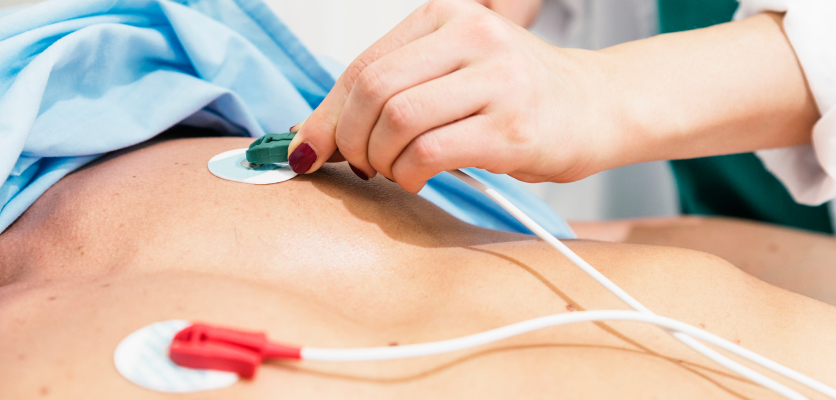
An ECG, or electrocardiogram, is a simple test that records the electrical activity of your heart. It can help detect irregular heartbeat, heart rhythm problems, and signs that may suggest previous or current heart strain.
An ECG is commonly used as part of heart screening or when a patient has symptoms such as chest discomfort, palpitations, dizziness, or shortness of breath.
What Is an Echocardiogram?
An echocardiogram is an ultrasound scan of the heart. It helps doctors see the heart’s structure, pumping function, valves, and blood flow.
This test may be recommended if a doctor wants to assess heart function, heart valve problems, heart muscle movement, or other structural heart concerns.
What is a Stress Test?
A stress test checks how your heart works during physical activity or controlled stress. It can help detect whether the heart is receiving enough blood flow when it is working harder.
A stress test may be recommended for patients with chest discomfort during activity, shortness of breath, reduced exercise tolerance, or risk factors for coronary artery disease.
What is Holter Monitoring?
Holter monitoring is a portable heart rhythm test that records your heartbeat over a longer period, usually while you go about your normal daily activities.
It may be recommended if you experience palpitations, irregular heartbeat, dizziness, fainting, or symptoms that do not appear during a standard ECG.
When is Chest Pain a Heart Concern?
Chest pain should be checked by a doctor, especially if it feels like pressure, tightness, heaviness, squeezing, or discomfort in the center or left side of the chest.
Chest pain may be more concerning if it:
- Happens during physical activities
- Improves with rest
- Spreads to the arm, jaw, neck, shoulder, or back
- Comes with shortness of breath
- Comes with sweating, nausea, dizziness, or fainting
- Feels new, unusual, or more severe than before
Not all chest pain is caused by the heart, but it should not be ignored.
Can Heart Disease Happen without Symptoms?
Yes, heart diseases can develop without obvious symptoms. Some people may only discover heart-related risks during a medical check-up or after a heart-related emergency.
That is why screening is important for people with risk factors such as high blood pressure, diabetes, high cholesterol, smoking, obesity, or family history of heart disease.
Early detection gives you and your doctor more time to manage risks and protect long-term heart health.
How Often Should You Do a Heart Screening?
The frequency of heart screenings depends on your age, risk factors, symptoms, and medical history.
You may need a heart screening more regularly if you have:
- High blood pressure
- Diabetes
- High cholesterol
- Previous heart disease
- Family history of early heart disease
- Smoking history
- Obesity
- Ongoing chest discomfort or shortness of breath
- Abnormal previous test results
If you are unsure how often you should screen your heart, speak to a doctor or cardiologist for personalized advice.
How Can You Keep Your Heart Healthy?
Heart screening is only one part of heart care. Lifestyle habits also play an important role in reducing heart disease risk.
To support heart health:
- Eat a balanced diet
- Reduce salt, sugar, and saturated fat intake
- Exercise regularly
- Maintain a healthy weight
- Do not smoke or vape
- Manage stress
- Get enough sleep
- Monitor blood pressure
- Manage diabetes and cholesterol
- Follow your doctor’s treatment plan if you have existing conditions
Small changes can make a meaningful difference when done consistently.
Cardiology Services at Columbia Asia Hospitals in Malaysia
Columbia Asia hospitals in Malaysia provide cardiology services for patients who need heart health screenings, diagnosis, treatments, and long-term management of heart conditions.
Cardiology care may include assessment for chest pain, high blood pressure, coronary artery disease, heart rhythm disorders, heart valve disease, and other heart-related concerns.
Depending on the hospital location and the doctor’s recommendation, patients may be advised to undergo cardiac tests such as ECG, echocardiogram, stress test, Holter monitoring, or other heart assessments.

Key Takeaways
Heart screenings help you better understand your heart health before symptoms become serious. It is especially important if you have risk factors such as high blood pressure, high cholesterol, diabetes, smoking, obesity, stress, or a family history of heart disease.
You should see a cardiologist if you experience chest pain, shortness of breath, an irregular heartbeat, dizziness, fainting, unexplained fatigue, or reduced exercise tolerance.
Speak to a doctor or cardiologist to choose the most appropriate heart screening or cardiac assessment based on your symptoms, age, and risks.
Frequently Asked Questions About Women’s Health Screening
A heart screening is a medical check-up that assesses your heart and cardiovascular health. It may include blood pressure measurement, cholesterol test, blood sugar test, ECG, echocardiogram, stress test, Holter monitoring, and a doctor consultation depending on your risk factors.
You should see a cardiologist if you have chest pain, shortness of breath, irregular heartbeat, dizziness, fainting, swelling in the legs, unexplained fatigue, or a family history of heart disease. You may also need a cardiologist if you have high blood pressure, high cholesterol, or diabetes.
Warning signs of heart problems include chest pain or pressure, shortness of breath, irregular heartbeat, dizziness, fainting, cold sweats, fatigue, pain spreading to the arm or jaw, and swelling in the legs or feet.
Heart screenings may be suitable for people with high blood pressure, high cholesterol, diabetes, smoking habits, obesity, family history of heart disease, sedentary lifestyle, or symptoms such as chest discomfort and shortness of breath.
Common heart health tests include blood pressure check, cholesterol profile, blood sugar test, ECG, echocardiogram, stress test, Holter monitoring, chest X-ray, and other cardiac assessments recommended by a doctor.
No, chest pain is not always related to the heart. It may also be caused by muscle strain, gastric issues, anxiety, or other conditions. However, chest pains should be checked by a doctor, especially if it feels heavy, tight, spreads to other areas, or comes with shortness of breath, sweating, or dizziness.
Yes, heart diseases can develop without obvious symptoms. High blood pressure, high cholesterol, narrowed arteries, and early heart problems may go unnoticed without screening. This is why regular heart checks are important for people with risk factors.
The frequency of a heart screening depends on your age, symptoms, family history, lifestyle, and existing medical conditions. People with high blood pressure, diabetes, high cholesterol, smoking history, or previous heart disease may need more regular screening based on doctor’s advice.
Concerned about your heart health? Speak with a cardiologist or book a heart screening appointment at any Columbia Asia hospital in Malaysia.
This article first appeared in Sinar Harian, 17 May 2026
Share:
Was this article helpful?
31 July 2026
•9 minute read
Heart Screenings: When Should You See a Cardiologist?
Articles and Video
Learn more about in Columbia Asia
Learn MoreShare:
Was this article helpful?
Health Packages
Elevate your health with tailored health packages at Columbia Asia Hospital. Take charge of your health journey today.
Columbia Asia 30th Anniversary Promotion “Senior Health”
From
RM688
Pink October 2024
From
RM80
HLA Policyholders Promo: Influenza Vaccination
RM65
Find Out MorePink October 2025
From
RM80